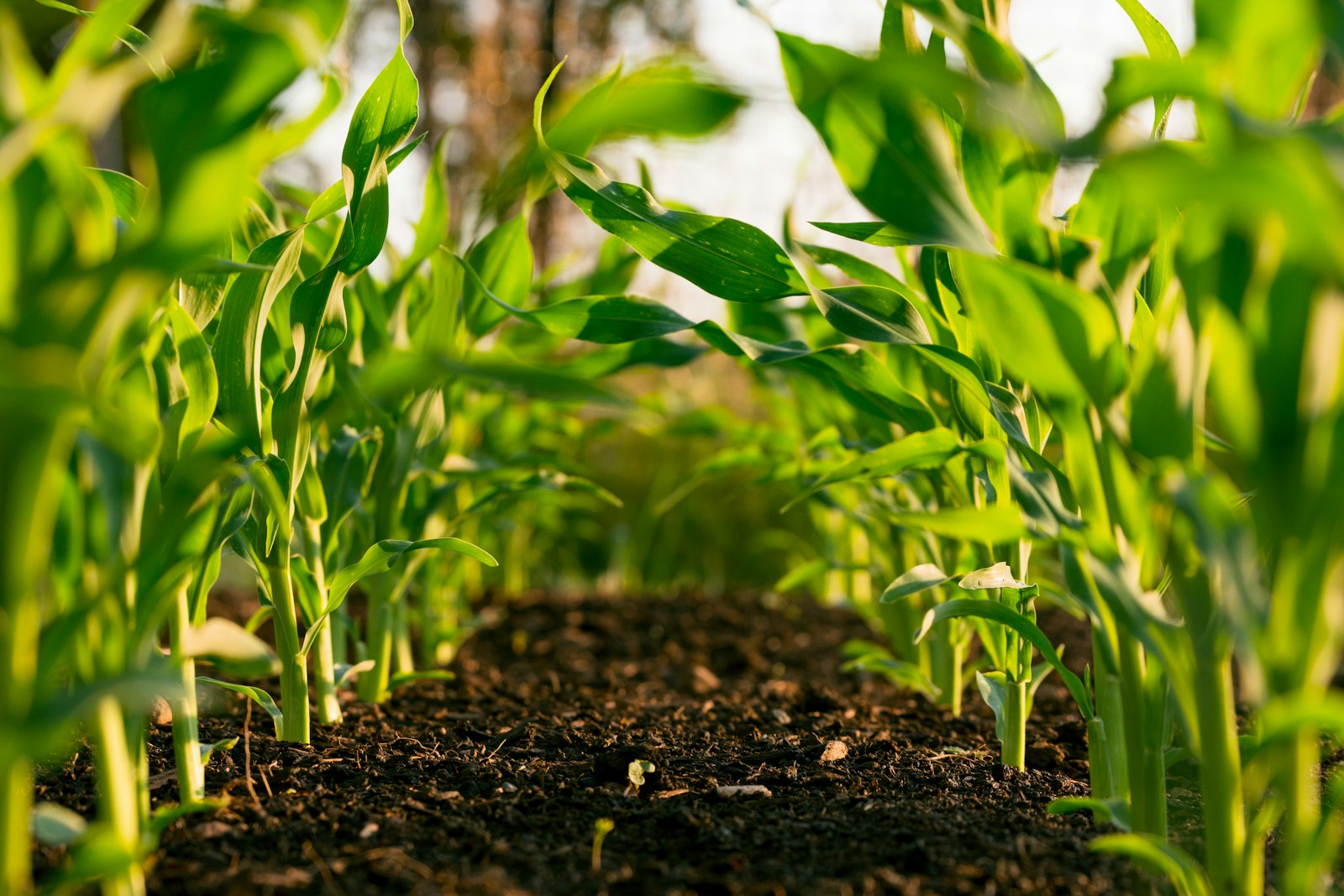
Global warming and 2026 figures
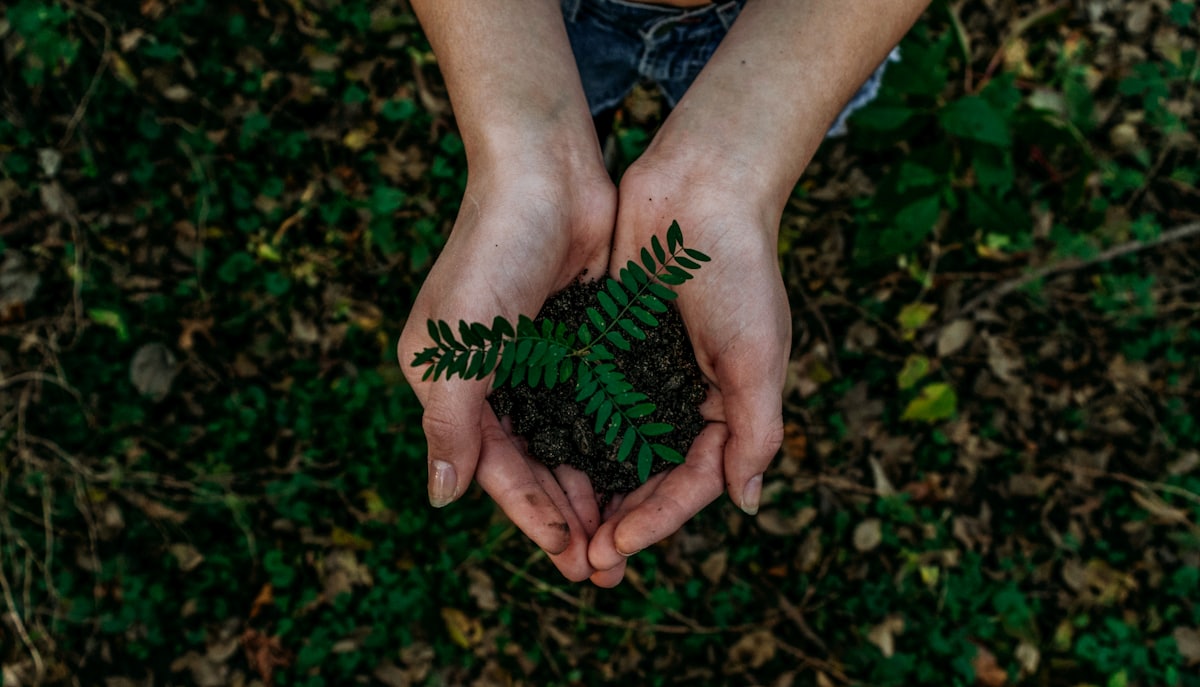
The world is changing and resources are being depleted. Spain is moving firmly toward new sources of energy, committed to protecting its natural environment and to the development of a livable future for the next generations.
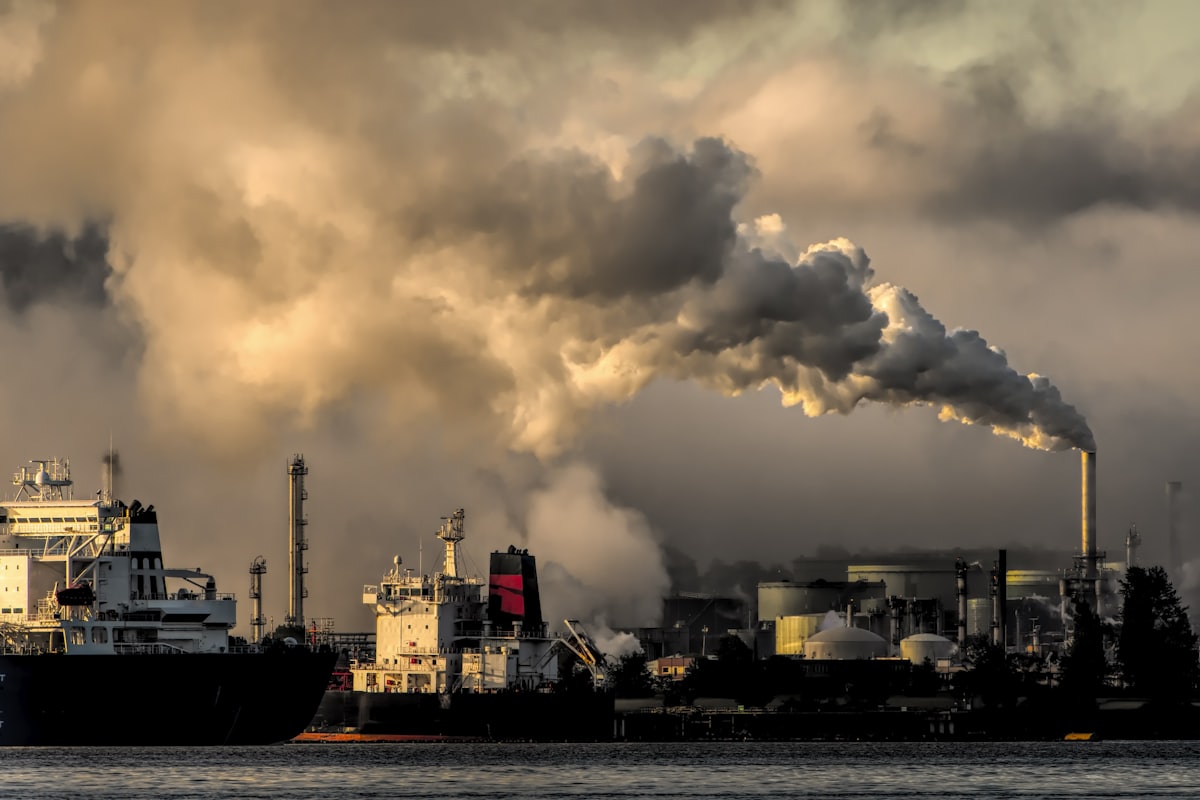
According to the European Climate Observatory, the average temperature on the Iberian Peninsula has risen 1.7 °C compared with the pre-industrial era. Winters are shorter, heatwaves more frequent and southern aquifers face constant pressure.
In response, the National Integrated Energy and Climate Plan (PNIEC) 2023–2030 sets demanding goals: cutting emissions by 32 % compared with 1990 and reaching 81 % renewable electricity by 2030. The protection of ecosystems and sustainable development are at the heart of the public debate.
Spain's role in the energy transition
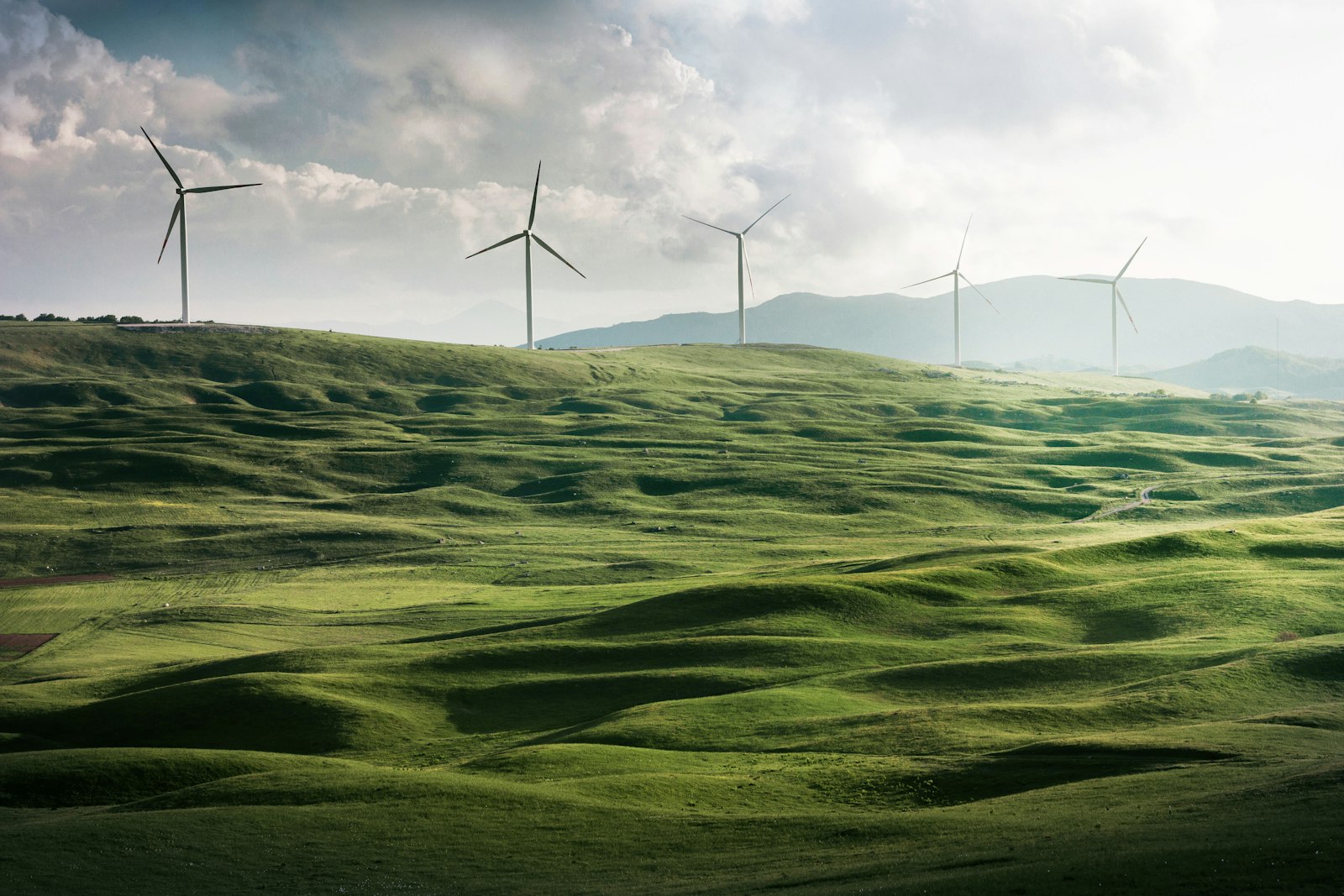
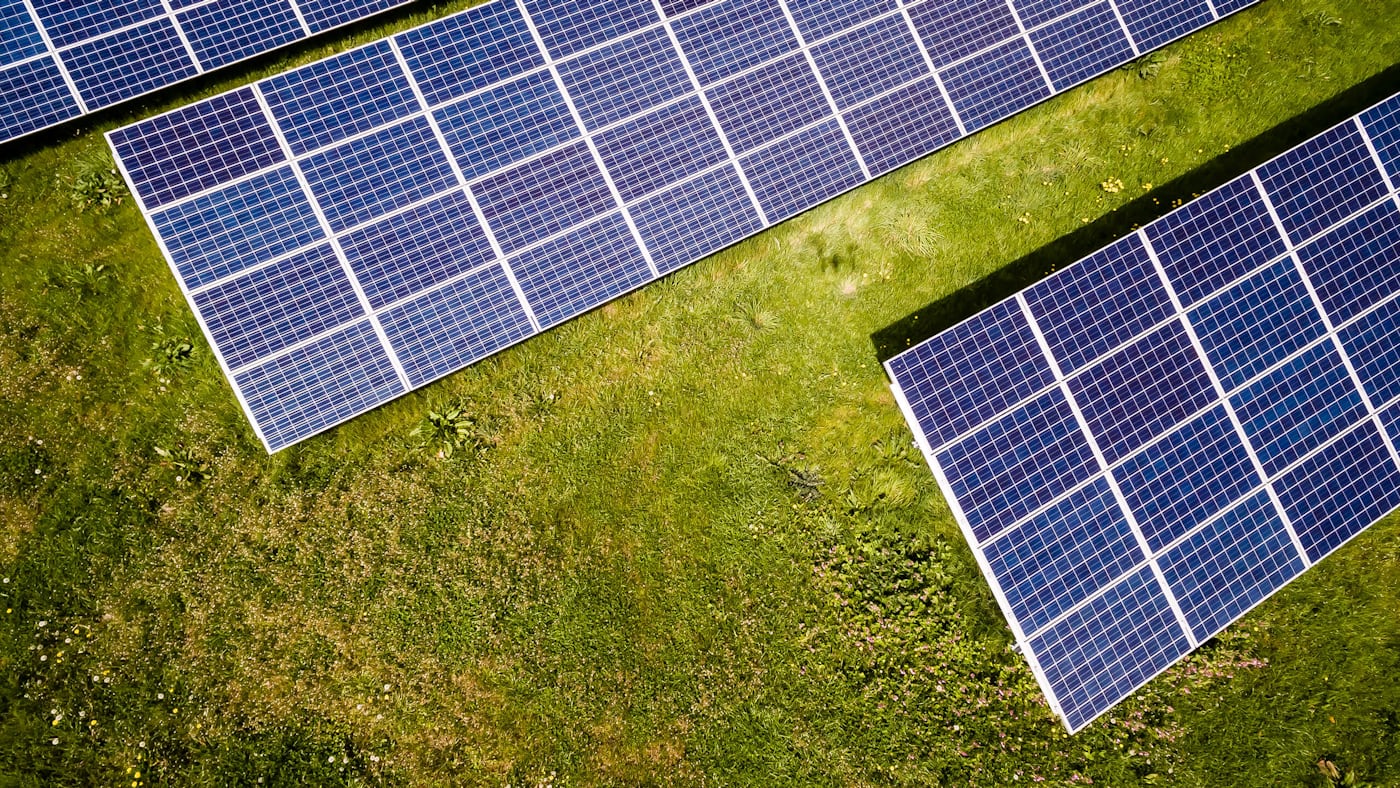
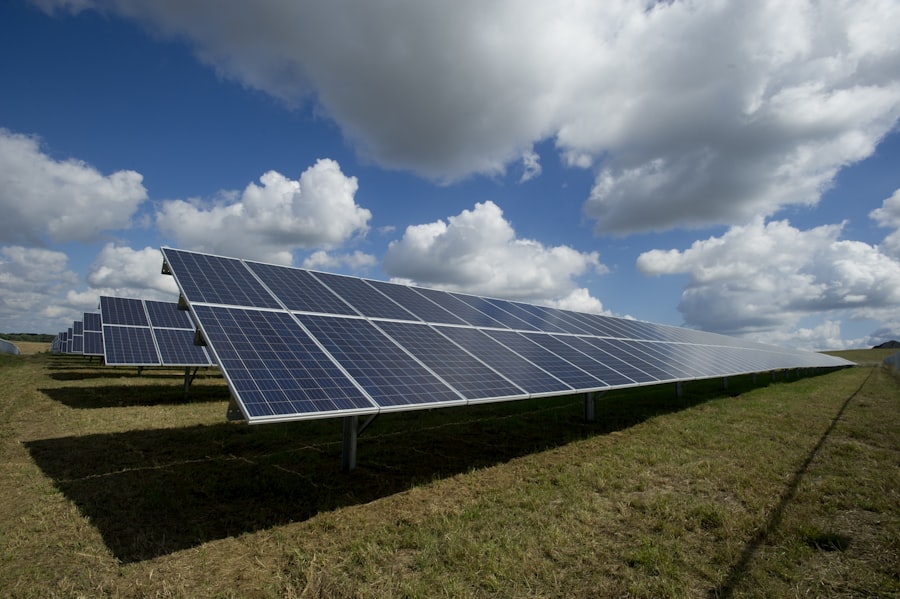
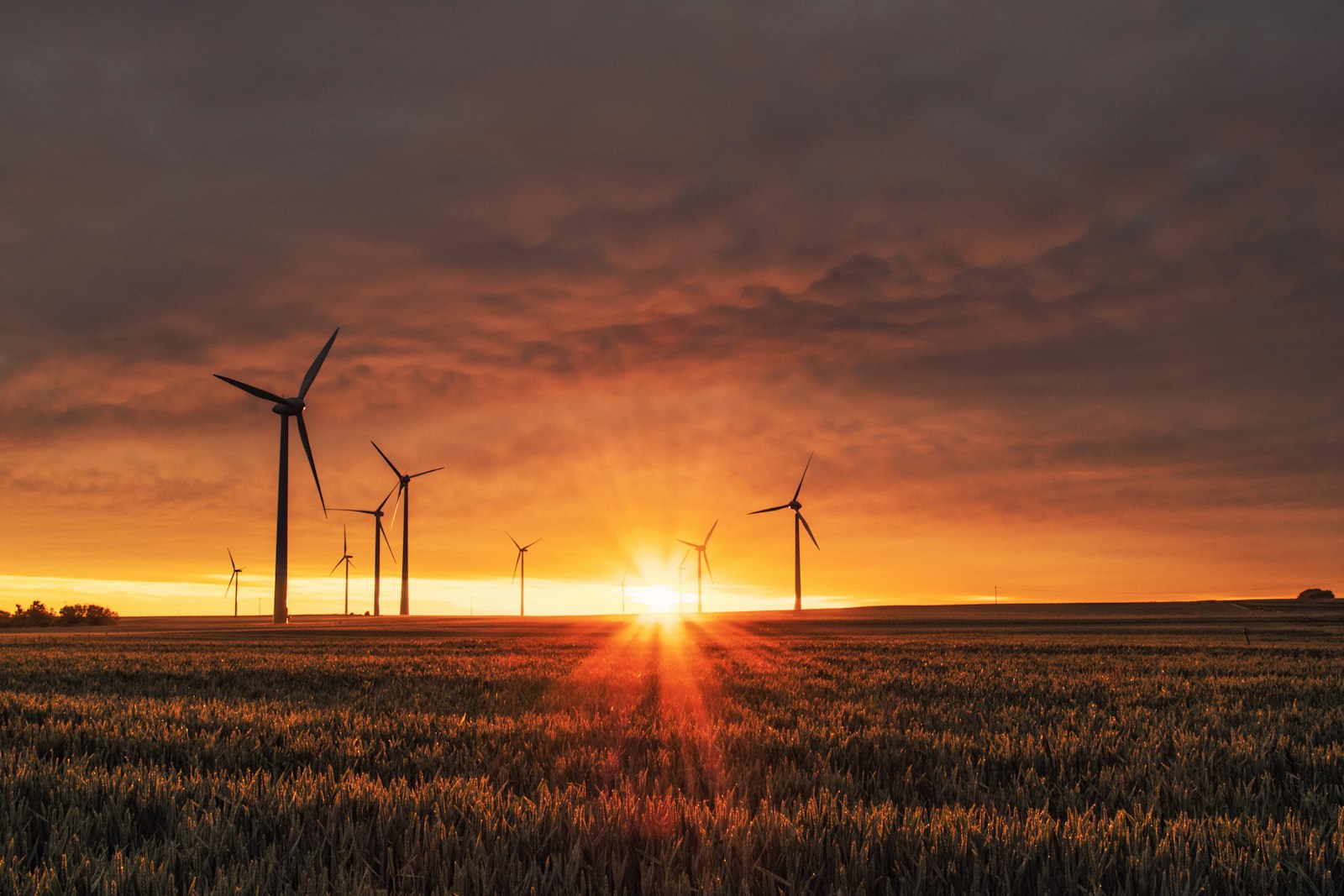
Spain enjoys some of the highest solar irradiance and wind potential in Europe. Spanish energy companies are deploying photovoltaic plants in Extremadura, Andalusia and Castilla-La Mancha, alongside wind farms in Galicia, Aragón and Castilla y León.
Local energy communities allow small municipalities to take part in the development of renewable projects and to share their social and environmental advantages. The green hydrogen roadmap, hybrid parks and large-scale battery storage round out a strategy centred on climate protection.
The future of agriculture 5.0
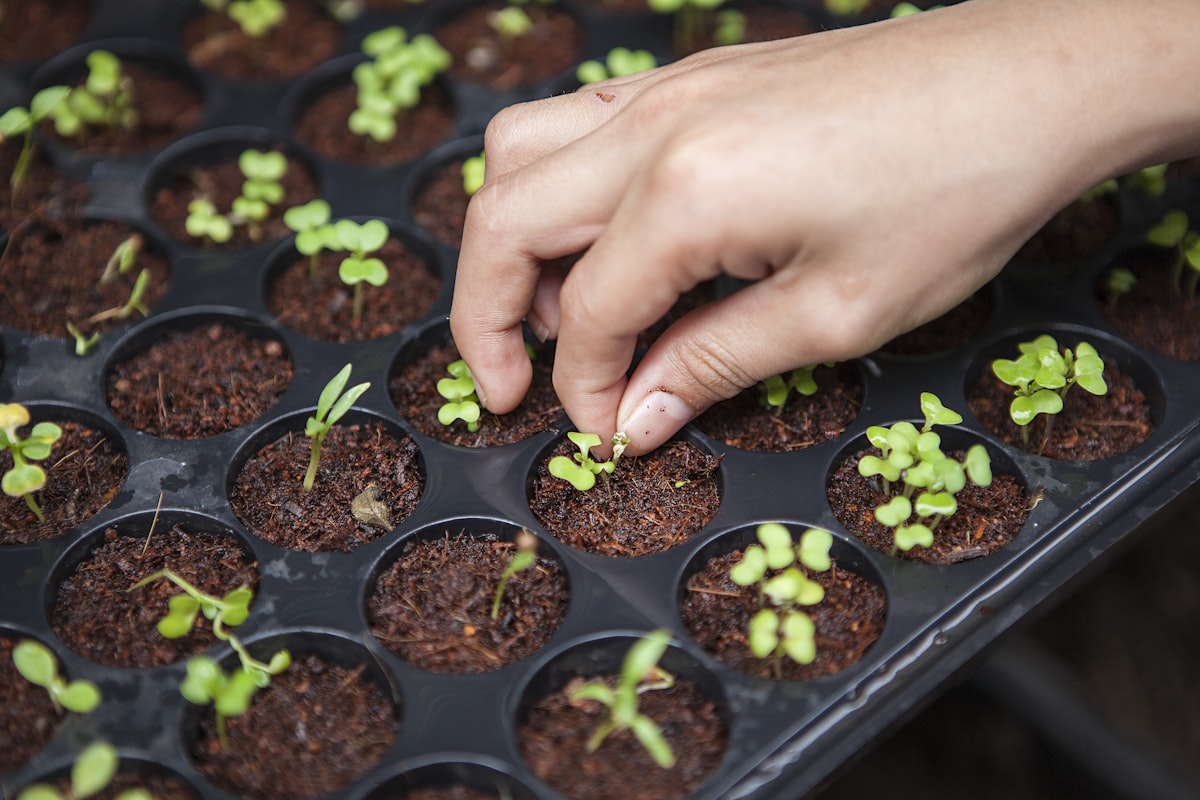
Agriculture is where tradition and technology meet. Agriculture 5.0 brings sensors to vineyards and olive groves, precision irrigation systems and drones that assess crop health in real time, optimising water use and reducing fertiliser inputs.
Public initiatives such as the Strategic CAP Plan 2023–2027 promote regenerative practices: crop rotation, agroforestry and cover crops. The future depends on responsible food systems that combine biodiversity protection with rural development.